EDPB Adopts a Harmonised DPIA Template: What Changes for Practitioners

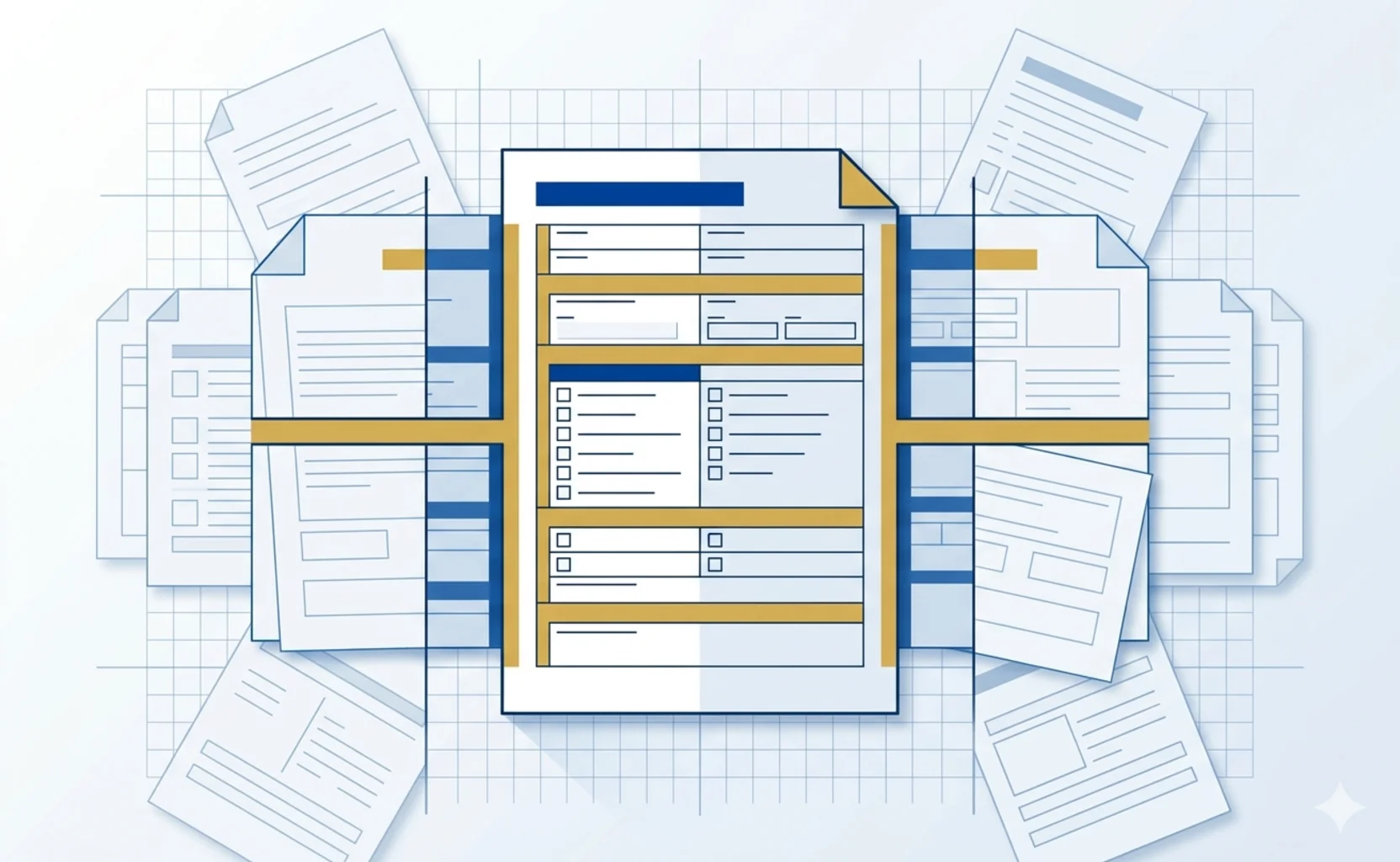
EDPB Adopts a Harmonised DPIA Template: What Changes for Practitioners

The EDPB has published a harmonised DPIA template, now open for public consultation until 9 June 2026. The template introduces a clear methodological distinction between risks inherent in the processing design and risks arising from non-default events. An analysis of its structure and implications for practitioners.

14 April 2026 · 9 min · NicFab
Image Credits: Adobe

Born Private: Your Child's First Email Is a Data Protection Decision

Proton launches Born Private: parents can reserve an encrypted email address for their children, protected for up to 15 years. A commentary on children’s digital identity, GDPR, and privacy by design.

4 April 2026 · 3 min · NicFab
Conceptual representation of age verification and European digital identity

Age Verification in Europe: DSA Enforcement and EUDI Gap

The European Commission has preliminarily found Pornhub, Stripchat, XNXX and XVideos in breach of the Digital Services Act for failing to protect minors. The case brings a broader question back into focus: how to achieve age verification that is truly effective, proportionate and data protection-compliant, at a time when the European digital identity ecosystem is still under construction.

28 March 2026 · 9 min · NicFab
Illustration on WhatsApp metadata privacy

WhatsApp Metadata: Why the Real Privacy Risk Is Context

In the final months of 2025 and early 2026, two independent studies highlighted significant vulnerabilities in WhatsApp’s metadata management. The University of Vienna and SBA Research demonstrated the ability to enumerate 3.5 billion accounts through the contact discovery mechanism, while Tal Be’ery (Zengo) showed how cryptographic key IDs allow inference of operating system, device type, and approximate session age. Meta has begun implementing fixes, but the privacy implications remain significant. This article analyzes the nature of metadata, WhatsApp-specific risks, and presents open source alternatives based on federated protocols such as XMPP and Matrix.

5 January 2026 · 17 min · NicFab
Digital Omnibus: Cookies, GDPR and AI Training - New European Privacy Rules

Digital Omnibus: Cookies, GDPR and AI Training - New European Privacy Rules

The Digital Omnibus Package introduces profound changes to GDPR and cookie rules: new consent exceptions, automated signals, and legitimate interest for AI training. Critical analysis of implications for privacy and fundamental rights.

20 November 2025 · 17 min · NicFab
Build your Prompt

Legal Prompting: The New Frontier of AI in the Legal Field

Guide to Legal Prompting techniques for legal professionals: from the anatomy of an effective prompt to advanced techniques (Chain-of-Thought, RAG), with a focus on GDPR compliance, hallucination risks, open source vs. cloud models, and best practices for law firms. Includes in-depth analysis of the limitations of RAG (Stanford Study 2025) and operational guidelines for the safe use of LLMs in the legal field.

6 November 2025 · 13 min · NicFab
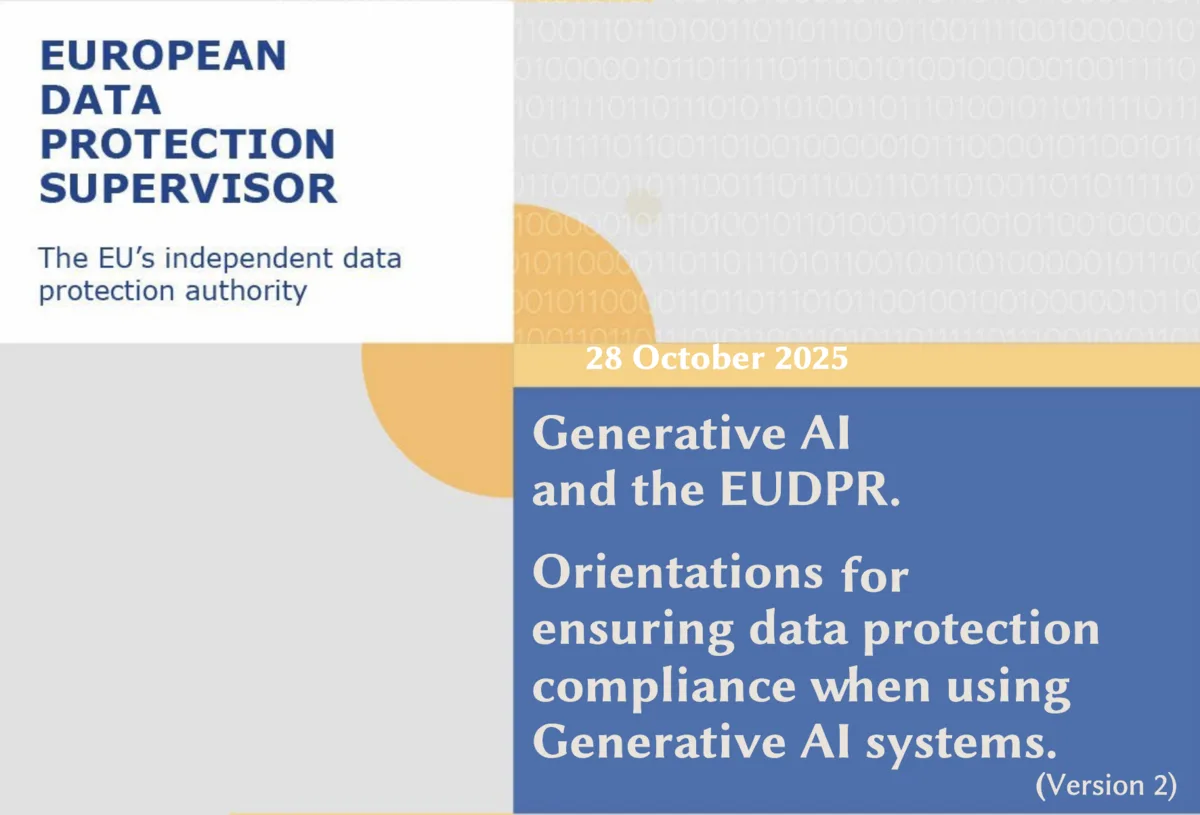
EDPS Generative AI Guidelines - Version 2 - October 2025

EDPS Generative AI Guidelines v2: 16 Compliance Points

In-depth analysis of the new EDPS guidelines (version 2) on the use of generative AI systems and compliance with Regulation (EU) 2018/1725. 16 key questions for EU institutions and bodies.

28 October 2025 · 15 min · NicFab
AI and Privacy Conference - Book Launch - Rome October 10, 2025

AI and Privacy: The Balance Between Innovation, Knowledge and Ethics in the Digital Age

Video of the conference held on October 10, 2025 in Rome for the presentation of the book ‘Artificial Intelligence, Privacy and Neural Networks: The Balance Between Innovation, Knowledge and Ethics in the Digital Age’.

11 October 2025 · 3 min · NicFab
DMA GDPR Guidelines Consultation

Public Consultation on Joint Guidelines on the Interplay between DMA and GDPR

Public consultation open until 4 December 2025 on guidelines regulating the interplay between Digital Markets Act and GDPR

9 October 2025 · 4 min · NicFab
The paper on Affective Computing and Emotional Data is now on arXiv

The paper on Affective Computing and Emotional Data is now on arXiv

📚 NOW ON ARXIV: “Affective Computing and Emotional Data: Challenges and Implications in Privacy Regulations, The AI Act, and Ethics in Large Language Models.” I’m pleased to share that my research paper is now publicly available on arXiv. 🎯 Core Question: How should we regulate AI systems that can recognize and respond to human emotions? 📊 Key Topics Covered: • Emotional intelligence in Large Language Models (ChatGPT, Claude) • Transformation of human emotions into processable data • GDPR classification of emotional data as sensitive information • EU AI Act implications for emotion recognition systems • Case study: OpenAI’s ChatGPT-4.5 emotional capabilities ...

26 September 2025 · 2 min · NicFab